
 Iqbal Jakati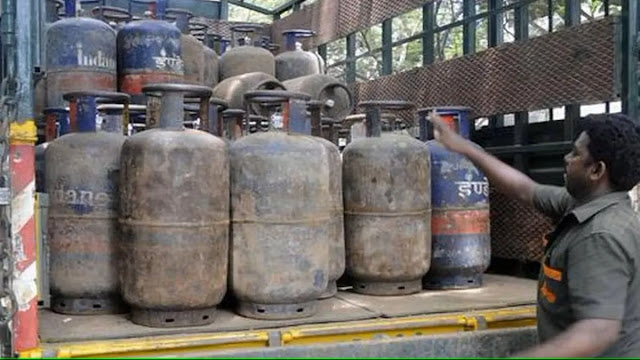
Belagavi: Restaurants across Belagavi may soon face operational challenges due to uncertainty in the supply of commercial LPG cylinders, according to the National Restaurant Association of India (NRAI), which has raised the issue with the Union government.
Akshay Kulkarni, Chapter Head of NRAI North Karnataka and CEO of The Tea Toast Co., said the situation stems from a recent government directive prioritising LPG supply for domestic household consumers amid disruptions in global supply routes.
The order, issued on March 5, 2026, instructed Oil Marketing Companies (OMCs) to prioritise domestic LPG distribution as geopolitical tensions in West Asia have affected global LPG movement through the Strait of Hormuz — a route through which nearly 85–90% of India’s imported LPG passes.
While the move aims to safeguard household cooking gas availability, restaurants and hospitality businesses across the country have begun experiencing delays and uncertainty in commercial LPG deliveries.
Kulkarni said that although Belagavi restaurants are still managing, suppliers have indicated that future deliveries cannot be guaranteed.
“Vendors are stretched and stock is thinning. Restaurateurs are calling distributors for supplies, but many are receiving the same response — that the next delivery is uncertain,” Kulkarni said.
He added that the situation could have a significant impact on the local food service ecosystem if the disruption continues.
“Any disruption in commercial LPG supply will lead to a catastrophic closure of majority of restaurants. Supply of food is an inescapable essential service — identified as such even during the Covid lockdowns,” Kulkarni said, referring to a letter sent by NRAI to the Union Ministry of Petroleum and Natural Gas on March 7.
According to NRAI, India consumes around 31.3 million tonnes of LPG annually, of which only 12.8 million tonnes are produced domestically, making the country heavily dependent on imports.
Belagavi’s food and beverage sector alone is estimated to include 2,500 to 3,500 restaurants, eateries, and food establishments, collectively employing tens of thousands of people.
Most of these establishments rely entirely on commercial LPG cylinders to run their kitchens.
“There is no quick alternative. Induction infrastructure takes weeks to install and piped gas is unavailable for most commercial kitchens. LPG cylinders remain the only practical fuel option,” Kulkarni said.
The timing is particularly concerning for restaurant operators as weekends account for nearly 60–70% of weekly revenue for many establishments. Any disruption in LPG supply ahead of peak business days could affect daily operations and staff payments.
The NRAI has urged the government to recognise commercial kitchens as part of the country’s essential food supply chain and ensure adequate LPG allocation.
The government has reportedly constituted a review committee of OMC executive directors to evaluate supply requests from commercial users.
Kulkarni said the restaurant industry is not seeking special concessions but only continuity in fuel supply.
“Restaurants are not asking for special treatment. We are simply asking that commercial kitchens be recognised for what they are — part of the essential food infrastructure of this country,” he said.
Industry representatives say that with the sector still recovering from the financial impact of the Covid pandemic, any prolonged disruption in fuel supply could further strain businesses already dealing with rising food and operational costs.
For Belagavi’s restaurant community, the hope now is that the situation stabilises quickly and supply chains resume normal operations before the impact reaches local kitchens.