
 Iqbal Jakati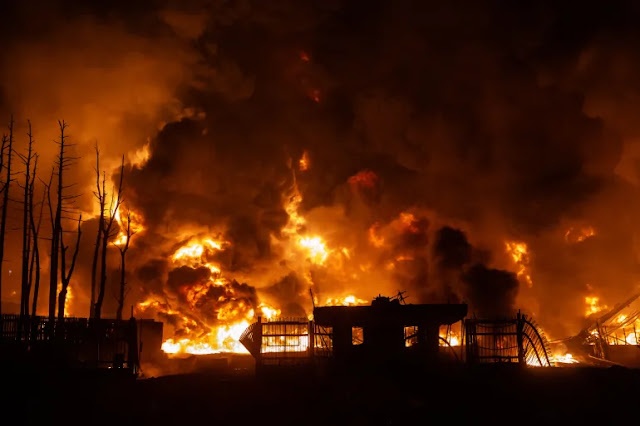
War Worsens Crisis, Calls for Parliamentary Debate Grow
The situation in West Asia is rapidly deteriorating, with the conflict involving Iran, the United States, and Israel creating serious global repercussions. The war has not only disrupted oil markets but also caused major disturbances in global food and fertilizer supply chains, raising concerns about future food security.
Economic experts and governments worldwide are now considering revising global agricultural trade frameworks to better withstand such crises. Former WTO Chair Professor Biswajit Dhar noted that disruptions in the Strait of Hormuz highlight the deep interdependence between energy, fertilizer, and food systems. Rising energy prices and LNG supply issues are directly impacting fertilizer production and costs in countries like India.
India, heavily dependent on fertilizer imports—including urea, DAP, and potash—is facing rising costs due to increased shipping risks and insurance premiums. To shield farmers, the government is currently absorbing the impact through subsidies, but experts warn that without such measures, food prices and agricultural output could be severely affected.
The ongoing Middle East tensions have shaken the global economy, leading to rising oil prices, inflation, and uncertainty. India, being import-dependent, is particularly vulnerable. Despite the seriousness of the situation, the absence of a detailed parliamentary debate has raised concerns. Opposition parties have repeatedly demanded a comprehensive discussion, arguing that democratic accountability strengthens policy decisions.
While the government maintains that it is focused on action rather than debate, critics argue that avoiding parliamentary discussion may be an attempt to sidestep scrutiny over foreign policy challenges, economic pressures, and public concerns.
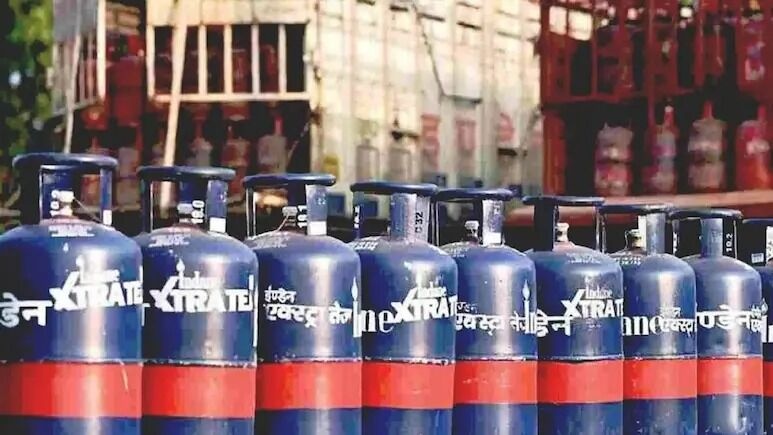
Key issues such as rising fuel prices, LPG shortages, inflation, and the safety of Indian citizens in conflict zones directly affect the common people. Congress leader Priyanka Gandhi has questioned the government’s strategy to tackle the energy crisis and ensure the safe return of Indians from affected regions, emphasizing the need for discussion and solutions in Parliament.
The conflict, now ongoing for over a month, has already caused massive global economic disruption. Stock markets have declined, investors have suffered heavy losses, and energy prices continue to rise. Prolonged conflict could further destabilize economies, impact employment, and increase the cost of essential goods.
India’s foreign policy faces a delicate balancing act between its ties with the US and Israel and its economic interests with Iran and Gulf nations. In such a scenario, experts stress the need for transparency, parliamentary oversight, and a unified national strategy.
There is an urgent need for immediate economic measures to stabilize markets, maintain investor confidence, and prevent further depreciation of the rupee. Without timely intervention, the situation could escalate into a larger financial crisis, severely affecting the common citizen.
The ongoing crisis demands not silence, but decisive action, transparent dialogue, and collective strategy to safeguard the nation’s economic and strategic interests.
Source: Haqeeqat Times (Translated In English)