
 Iqbal Jakati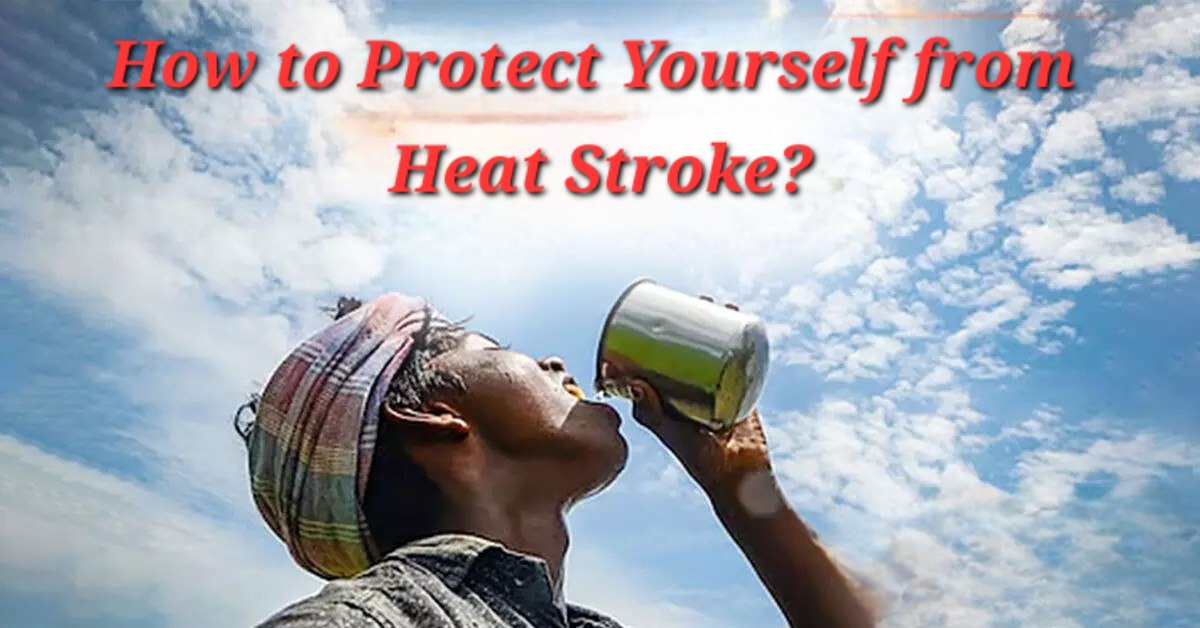
How to Protect Yourself from Heat Stroke: Symptoms, First Aid, and Prevention
With temperatures rising sharply across the state, heatwave conditions have intensified, with outdoor temperatures crossing 42°C in many regions. People working under direct sunlight are at high risk of heat stroke, which can even become life-threatening if not addressed promptly.
Heat stroke, also known as sunstroke, occurs when the body fails to regulate its internal temperature due to excessive heat, high humidity, or prolonged physical exertion. Normally, the body releases heat through sweating and radiation via the skin. However, under extreme conditions, this mechanism may fail, causing body temperature to rise above 41.1°C (106°F). Dehydration further worsens the condition by reducing sweating, leading to dangerous heat accumulation in the body.
First Aid for Heat Stroke
- Move the affected person to a shaded and cool place immediately. Loosen their clothing and allow cool air circulation. Sprinkle cool water on the body to promote sweating.
- Apply ice packs to areas such as the groin and armpits to reduce body temperature.
- If the person is conscious and able to consume fluids, provide natural cooling drinks like water, tender coconut water, lemon juice, or fruit juices. Avoid carbonated drinks like Pepsi or Coke, as well as alcohol and caffeine-based beverages.
- Continuously monitor body temperature and continue cooling efforts until it drops below 101°F. Ice blankets may also be used.
- Regularly check pulse rate, blood pressure, and temperature, and continue first aid until the condition stabilizes.
Symptoms of Heat Stroke
- Extreme fatigue, weakness, nausea, vomiting, irritability, headache, dizziness, muscle cramps, and muscle pain
- Increased breathing rate and heart rate
- High body temperature with hot, red, and dry skin (absence of sweating)
- Rapid pulse, low blood pressure, and breathing difficulties
- If untreated, the person may slip into a coma
Symptoms may vary depending on a person’s age, body condition, and overall health.
Who Is Most at Risk?
- Infants and elderly individuals
- People with heart disease, respiratory illnesses, kidney problems, or weakened immunity
- Athletes engaged in outdoor sports
- Individuals performing heavy physical labor under direct sunlight
Preventive Measures
- Drink at least 3–4 liters of water daily during summer to maintain hydration.
- Use a wet cloth to wipe the body and keep it cool if overheating occurs.
- Wear loose, light-colored cotton clothing. Avoid tight, thick, or dark-colored clothes as they absorb heat.
- Avoid excessive consumption of ice creams and artificially sweetened beverages.
- Include water-rich foods and drinks like porridge, milk, buttermilk, and tender coconut water in your diet.
- Limit outdoor activities during peak heat hours, especially in the afternoon. Avoid strenuous work under intense sunlight.