

 Iqbal Jakati
Karnataka Cabinet Takes Major Decision: “Karnataka State Haj Committee Regulations, 2025” Approved to Bring Transparency to Haj Services
First formal framework for Haj pilgrims; aims to ensure administrative transparency and improved facilities
In a significant and historic move to strengthen Haj arrangements in the state, the Karnataka Cabinet, chaired by Chief Minister Siddaramaiah, has approved the “Karnataka State Haj Committee Regulations, 2025.”
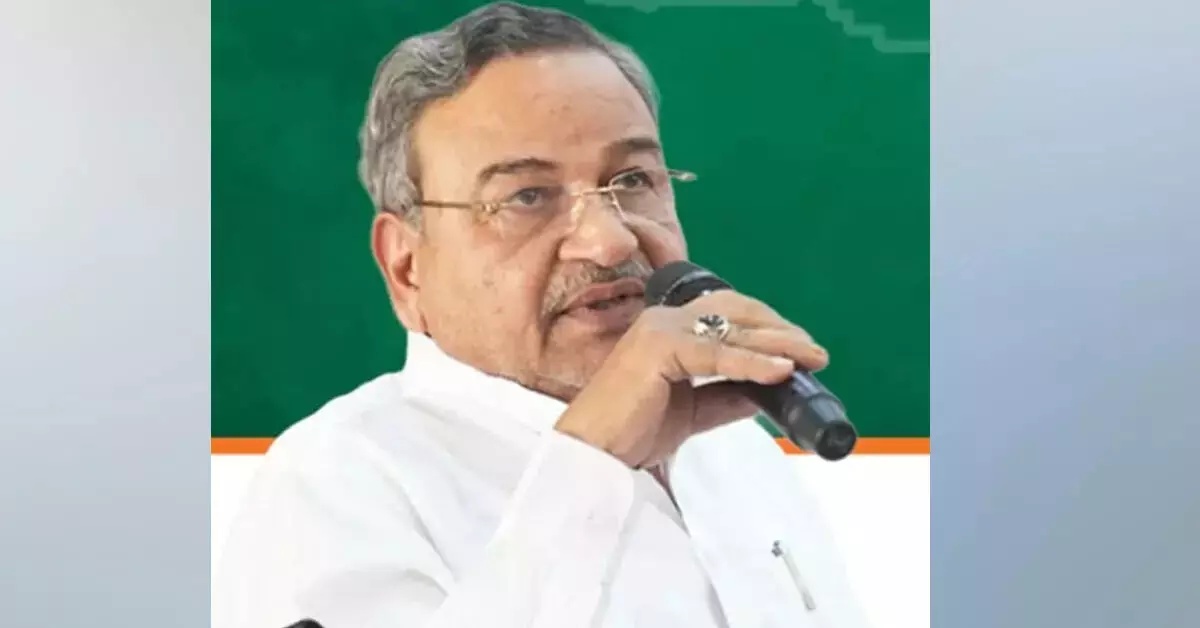
Speaking to reporters after the cabinet meeting, Law and Tourism Minister H.K. Patil said that for many years, the Haj Committee functioned without any clearly defined rules or official regulatory framework, despite thousands of pilgrims travelling from the state every year to perform Haj. The implementation of the new regulations will ensure administrative transparency, accountability, and standardized delivery of services, he said.
The minister explained that selected Haj pilgrims from Karnataka depart for the pilgrimage through embarkation points such as Bengaluru, Mangaluru, Hyderabad, and Mumbai. Every year, the Haj Committee arranges accommodation, medical assistance, training programs, and travel-related facilities at these centres. Until now, these services were being managed without a formal government regulation. Under the Central Haj Act, 2002, state governments are mandated to frame permanent rules, and the newly approved regulations fulfill this legal requirement.
The government stated that the new framework will not only address existing administrative gaps but will also significantly improve the quality of services provided to Haj pilgrims.
Other Key Decisions Taken by the Cabinet
-
The cabinet approved the allocation of one acre of government land in Hindalga village of Belagavi district to the Congress Bhavan Trust at 5% of the guideline value.
-
Due to changes in requirements and increased material costs, the construction cost of the Praja Soudha at Dandeli was revised to ₹12.49 crore, which received cabinet approval.
-
An allocation of ₹143.60 crore was approved for five years to support the State Disaster Management Auxiliary System.
-
Under the Arogya Mandir scheme, construction of 114 health centres was approved at the local level, with ₹74.10 crore sanctioned for health infrastructure across the state.
-
For water conservation in the Kalyana Karnataka region, projects worth ₹200 crore were approved, including check dams, reservoirs, and water management initiatives.
-
The cabinet approved the new city limits of Mysuru and designated the expanded area as “Bruhat Mysuru Mahanagara Palike.”
-
A special three-month water bill rebate scheme was approved for Bengaluru, under which all penalties and additional charges on pending water bills for domestic, commercial, and government consumers will be waived.
-
An allocation of ₹100 crore was approved for solid waste management and landfill operations in Bengaluru.
-
The cabinet decided to rename Rani Channamma University as “Kittur Rani Chennamma University.”
-
New rules were approved for the import and export of iron ore through minor ports, lifting restrictions imposed in 2010 and introducing revised transportation guidelines.
-
An amount of ₹17.50 crore was sanctioned for establishing a new bus terminal in the Gangavathi suburban area.
-
Approval was given to continue the recruitment of 1,000 drivers in the North Western Karnataka Road Transport Corporation (NWKRTC) and to carry on driver recruitment across other state transport corporations.
-
₹50 crore was approved for the repair, cleaning, and improvement of water distribution infrastructure along the Kabini Canal.
-
The cabinet approved the upgradation of 14 gram panchayats across the state to town-level status. Harohalli was upgraded to a City Municipal Council, while Ramadurga was granted Nagar Sabha status.
Minister H.K. Patil said these decisions reflect the government’s commitment to administrative reforms, infrastructure development, public welfare, and improved service delivery across Karnataka.