
 Iqbal Jakati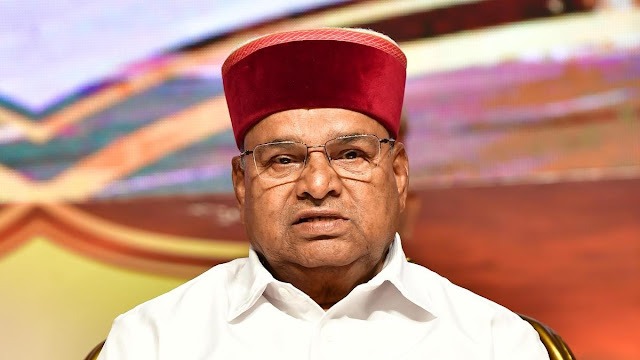
Governor Raises Objections to Hate Speech Bill in Karnataka
Prevention of Hate Speech and Hate Crimes Bill Sent to President for Assent
Karnataka Governor Thaawarchand Gehlot has withheld assent to the Karnataka Prevention of Hate Speech and Hate-Based Crimes Bill, 2025 and has reserved it for the consideration of the President of India under Articles 200, 201 and 254 of the Constitution of India.
In a letter addressed to the state government, the Governor stated that the proposed legislation requires deeper constitutional scrutiny, as several of its provisions may conflict with fundamental rights, particularly the freedom of speech and expression. While acknowledging that hate speech is harmful to society, he cautioned that curbing freedoms in the name of preventing hate is not a solution. In a free society, he noted, hate should be countered with free expression rather than authoritarian laws. He emphasised that education, culture and social awareness offer more sustainable ways to address hatred.
The Bill was passed during the winter session of the Karnataka Legislative Assembly held in Belagavi in December 2025. It defines hate speech as any verbal, written, visual or electronic expression that promotes hatred, hostility or discrimination against an individual or group on the basis of religion, race, caste, gender, sexual orientation, place of birth or disability.
The Governor’s primary objection concerns the definition of “hate speech”, which he described as excessively broad and vague. He warned that under such a definition, ordinary conversation, academic criticism or educational debate could also fall within the ambit of criminal offence, leading to arbitrary and biased enforcement. This, he cautioned, could adversely affect the freedom of speech guaranteed under Article 19(1)(a) of the Constitution.
Serious reservations were also expressed over the stringent punishments proposed in the Bill. The provisions allow for imprisonment of up to seven years and a minimum fine of ₹50,000 even for a first offence, with fines rising to ₹1 lakh for repeat offences. Several offences have been made cognisable and non-bailable, which the Governor termed disproportionate and coercive.
He further expressed concern over the concept of organisational and collective liability included in the Bill, under which leaders or office-bearers of organisations could be held responsible for alleged hate speech made at meetings or programmes, even if they were not directly involved.
Additionally, the Bill grants the state government powers to block or remove online content. The Governor warned that without adequate safeguards, such powers could disturb the federal balance and potentially conflict with central laws.
The Governor also pointed out the lack of public consultation in the legislative process, stating that there was no meaningful engagement with civil society, media organisations, digital rights experts or constitutional scholars before introducing the law. Raj Bhavan received around 40 representations opposing the Bill, raising concerns about its potential misuse and adverse consequences.
Governor Gehlot observed that Karnataka’s intellectual and reformist traditions demand the protection of dissent, critical thinking and free dialogue. He stated that democracy is not merely about voting, but also about respecting diverse opinions and safeguarding the freedom to question those in power.