
 Iqbal Jakati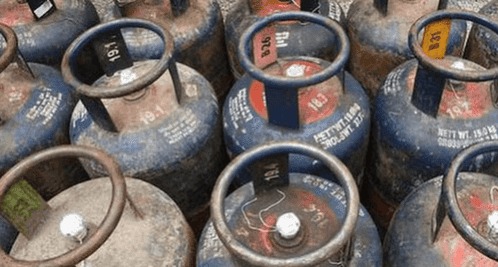
₹111 Hike in Commercial LPG Prices: Siddaramaiah Accuses Centre of Anti-People Policies
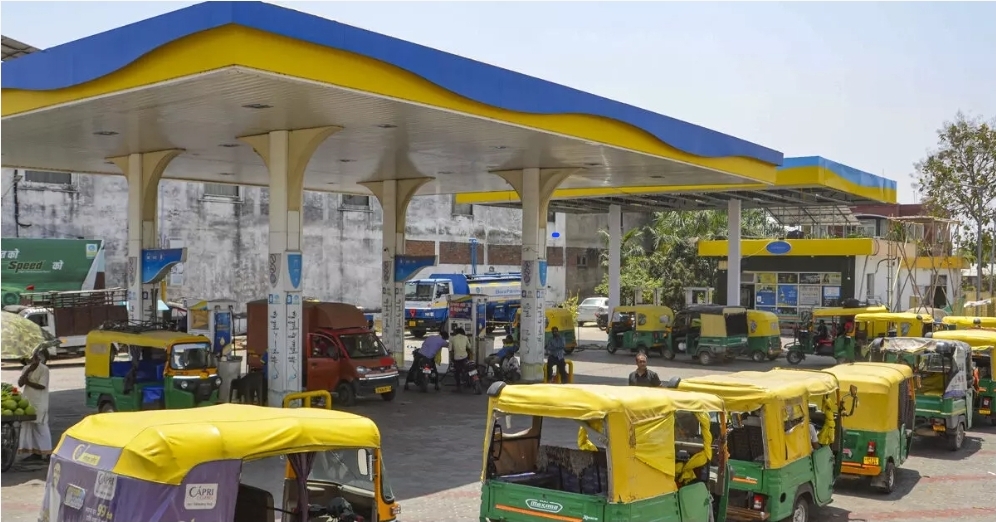
Karnataka Chief Minister Siddaramaiah has strongly criticised the recent hike of nearly ₹111 in the price of commercial LPG cylinders, calling it a direct attack on the common people. He said tea stalls, small hotels, bakeries and roadside vendors depend heavily on commercial LPG, and any increase in prices would not only make food items costlier but also affect livelihoods, allowing inflation to quietly enter every household.
Questioning the Centre’s justification that the LPG price hike was due to an increase in Saudi contract prices, Siddaramaiah asked Prime Minister Narendra Modi why petrol and diesel prices have not been reduced despite a continuous fall in global crude oil prices. He pointed out that while Saudi contract prices may fluctuate, global crude oil prices—the primary raw material for petrol and diesel—have seen a significant decline. Yet fuel prices remain unchanged, increasing the burden on the public while generating record revenues for the central government. He described this as selective use of international pricing logic and expressed serious concern.
The Chief Minister further alleged that while the Centre is imposing additional taxes on citizens, it is simultaneously denying states their rightful financial share. Karnataka contributes between ₹4.5 lakh crore and ₹5 lakh crore annually to the national exchequer but receives barely ₹60,000 crore in return, often with delays. He said this reflects not cooperative federalism but a clear fiscal imbalance.
Siddaramaiah also noted that railway fares have been increased, new taxes and surcharges are being imposed in addition to GST, and the overall tax burden continues to rise, while responsibilities are quietly being shifted to the states. Citing MGNREGA, he said states are now being forced to bear nearly 40 percent of the scheme’s expenditure, adding to their welfare responsibilities.
He asserted that the country cannot become developed by squeezing workers, taxing the poor and weakening states. According to him, economic governance must be rooted in justice, transparency and compassion, not selective justifications. A strong nation, he said, is one that respects its people, empowers its states and ensures that the benefits of development are shared fairly by all.
Source: Haqeeqat Time (translate in english)